A few examples
of CCIE in action

Supporting victims of Islamophobia, advocacy in the European institutions, citizen campaigns, a network of solidarity: a selection of our work.

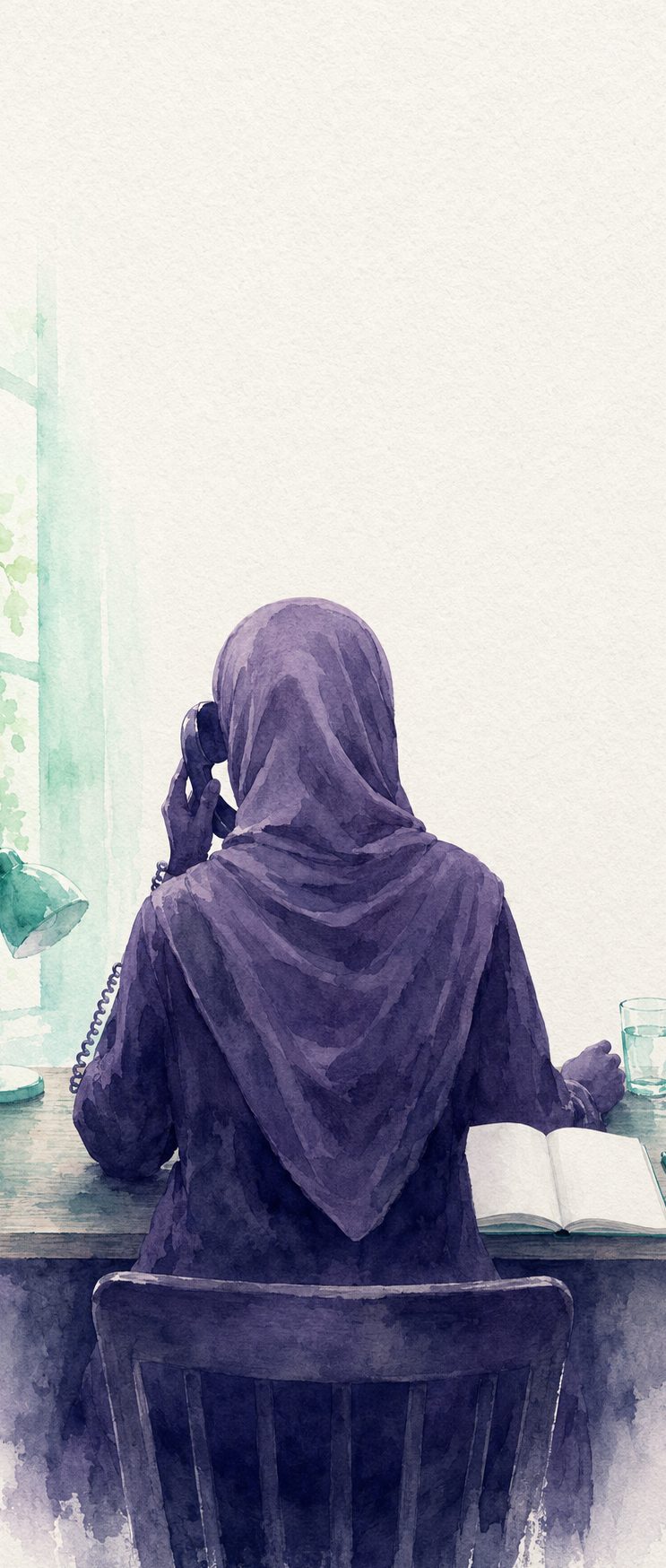
A CCIE caseworker taking a call during a helpline shift

CCIE by the numbers

4,284

Requests received

The number of cases brought to our attention nearly doubled between 2022 and 2024.

3,670

Cases handled

Complaints and referrals

52

Court proceedings

Proceedings brought before a court.

25

Referrals

Referral without proceedings: public prosecutor, ARCOM, online platform, elected officials, letter.

Advocacy

Thirteen interventions in 2026 before the European institutions, intergovernmental organisations and civil society networks.

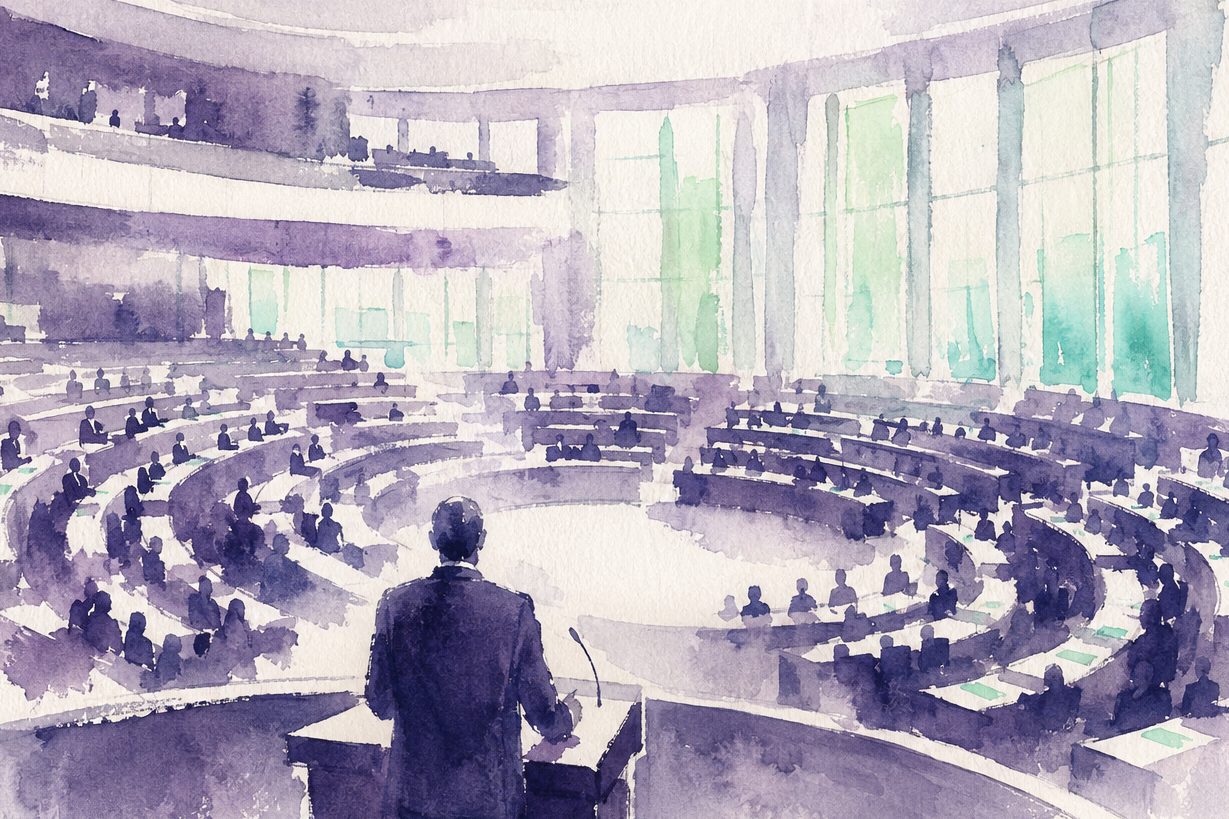
CCIE at the European Parliament during The New Brussels Effect

Membership secured European Civic Forum

The New Brussels Effect

European Parliament, Brussels · 18 May 2026

CCIE took part in “The New Brussels Effect”, organised by the European Civic Forum at the European Parliament, in the presence of several Members of the European Parliament and of the United Nations Special Rapporteur on the rights to freedom of peaceful assembly and of association. CCIE used the occasion to alert European decision-makers to the repression it faces and to the forms of state Islamophobia targeting its members.

The event also marked a milestone: CCIE’s application to the ECF was formally accepted by its Board. CCIE thereby becomes the first anti-Islamophobia NGO to join this European civil society coalition, which brings together close to 100 organisations across 30 countries. Membership strengthens the protection of organisations defending minorities, which are particularly exposed as the far right advances and civic space in Europe narrows.
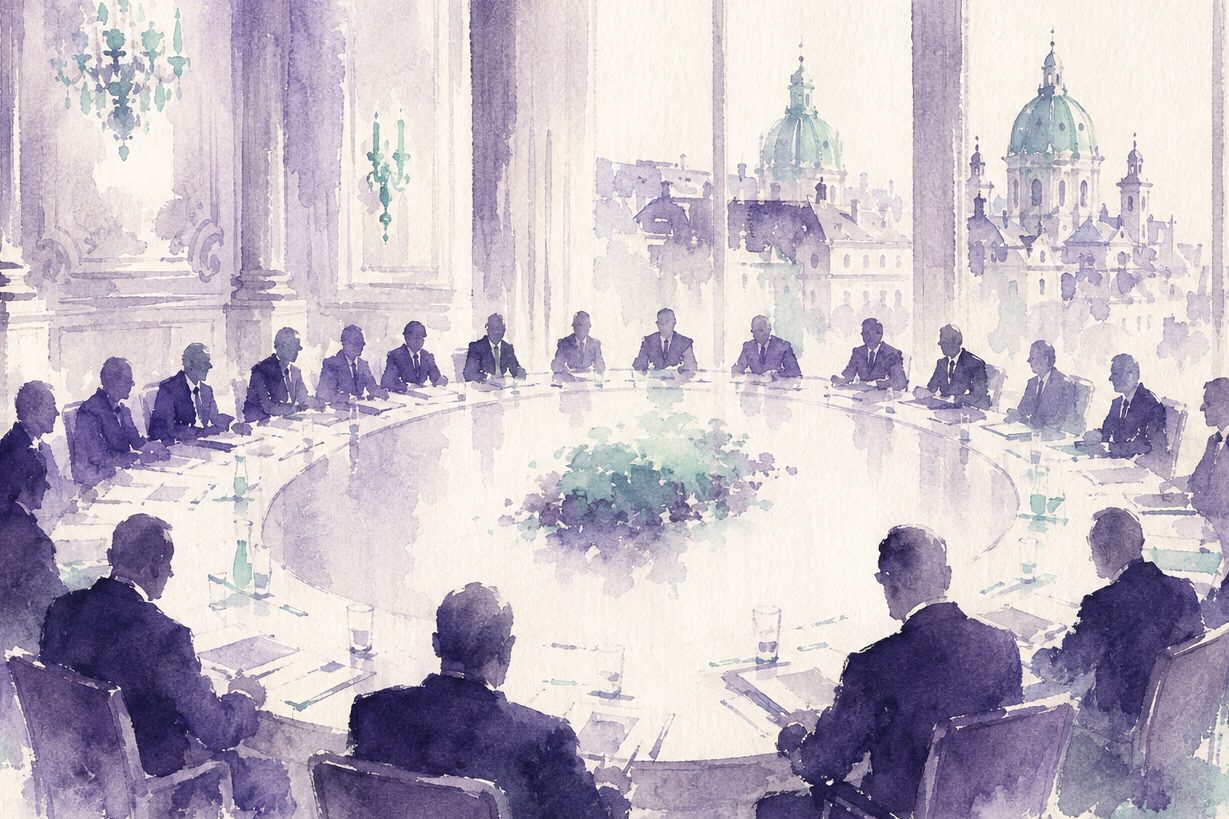
CCIE in Vienna at the OSCE Lawmaking for Democratic Resilience conference

OSCE and ODIHR

Lawmaking for Democratic Resilience

Vienna · 16 and 17 March 2026

CCIE took part in the event held in Vienna by the OSCE and its Office for Democratic Institutions and Human Rights. This international meeting brought together states, NGOs and experts around the challenges of democratic law-making. Part of the discussion addressed the growing repression of human rights NGOs by states. CCIE contributed to the exchanges on the essential role of civil society and of independent oversight in guaranteeing transparent, inclusive and rights-respecting legislation.

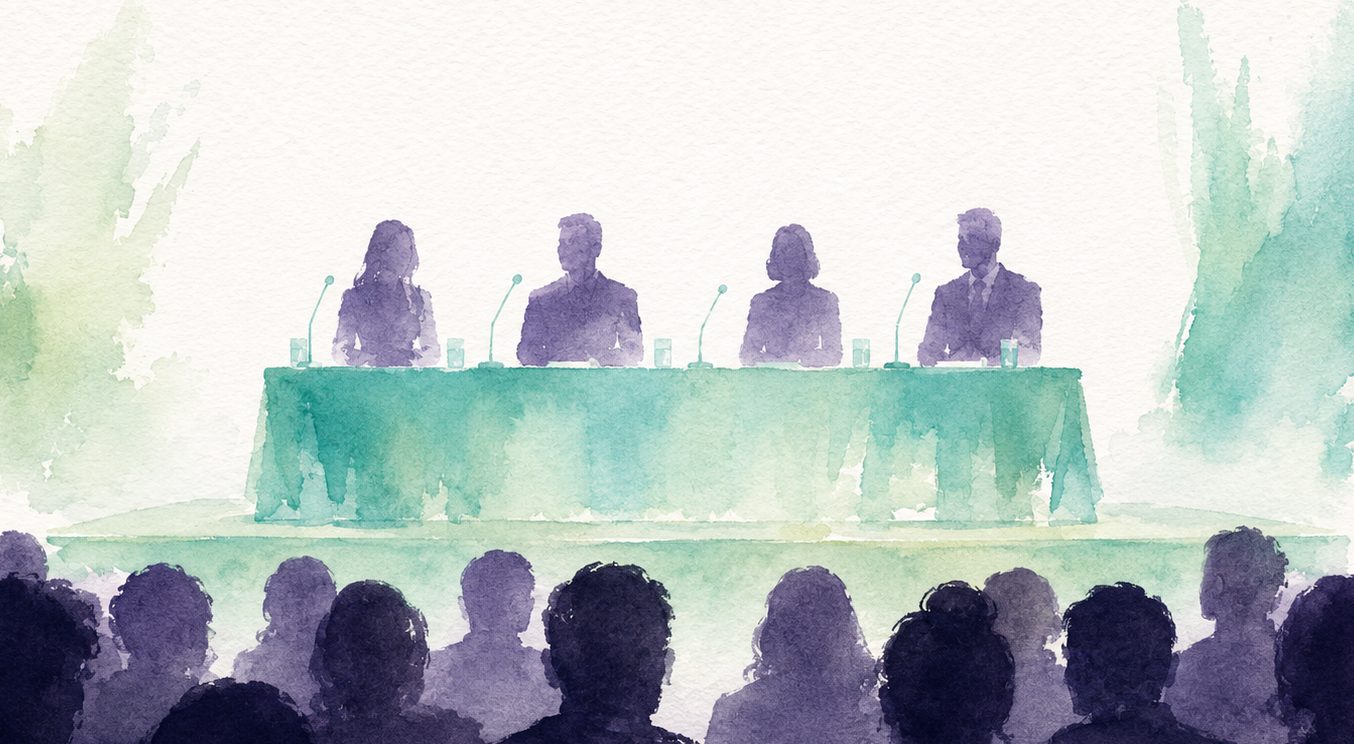
Anti-Racism and Diversity Day panel at the European Parliament

ENAR

Anti-Racism and Diversity Day 2026

European Parliament, Brussels · 18 March 2026

Marking the International Day for the Elimination of Racial Discrimination, CCIE joined a panel organised by ENAR. The meeting at the European Parliament, attended by several Members of the Parliament, highlighted the effect of shrinking civic space on anti-racist organisations in Europe. The discussion covered the links between structural racism, security policies and funding inequalities, and identified ways to strengthen solidarity, advocacy and the protection of those working against racism.

CCIE training session with IES Abroad students in Brussels

IES Abroad

Academic training session

Brussels · 3 March 2026

As part of a European Union study programme run by IES Abroad in Freiburg, Germany, CCIE led a session for a group of American students visiting Brussels, for an in-depth exchange on relations between the EU and the Muslim world. CCIE presented its work and traced the history of how Islamophobia was constructed in Europe, situating it within contemporary political, media and social dynamics. The discussion also covered discrimination against Muslims, the rise of populist rhetoric, and the questions raised by radicalism and by living together in Europe.

Online international meeting of the Center for the Study of Organized Hate

Center for the Study of Organized Hate

Remigration and the New Far Right Politics of Mass Deportation

Online · 29 April 2026

CCIE took part in an online international meeting on “remigration” and on far-right policies promoting mass deportation. The panel brought together Shada Islam, Shabna Begum and Heidi Beirich. The speakers analysed how this ideology travels across Europe, the United Kingdom and the United States, and its consequences for fundamental rights, migration policy, citizenship and democracy.

Examples of cases resolved

Ten people supported through to the outcome of their case. Every account is anonymised at the families’ request.

ResolvedSport

A woman wanted to take up Thai boxing but was refused access because she wore a headscarf. With CCIE’s support and an appeal to the town hall and the club, she received a formal written apology. The club revised its rules and has since invited her back.

ResolvedEarly childhood

A registered childminder was subjected to discriminatory remarks and intrusions into her private life by her supervising officer at the maternal and child health service, notably about her headscarf. With CCIE’s support, her request to be assigned a different supervisor was granted.

ResolvedSecondary school

A mother contacted CCIE about her daughter, who was repeatedly challenged by the head teacher and accused of breaching secularism because of her long skirts and dark clothing. A mediator had initially found no fault with the head teacher. CCIE provided tailored legal advice: after the meeting, she prevailed and a solution was found allowing her daughter to dress as she wishes.

“I was able to approach the situation calmly and find a solution for my daughter. Thank you for your patience and your advice.”

The mother supported by CCIE

ResolvedHigher education

A student had enrolled at a higher education institution whose rules permit the headscarf. Once term began, she discovered that Saturday classes were held at a partner institution which bans it. She was given a choice: remove her headscarf or withdraw, at a point when university enrolment had already closed. With CCIE’s legal support, she asserted her rights and completed her course without removing her headscarf.

ResolvedSchool trip

A mother wearing a headscarf was unjustifiably refused permission to accompany her child on a school trip because of how she dresses. After listening to her account and reviewing the situation, CCIE gave her the relevant legal information and supported her through the process. She asserted her rights: the decision was reversed and she joined the trip.

ResolvedSchool catering

A mother contacted us after the school canteen served meat with no alternative for her children. With CCIE’s legal support and several meetings with the town hall, her request was granted. Her children now receive meals that suit their dietary needs.

“Without your help it would have been far harder to make my case.”

The mother supported by CCIE

ResolvedCommunity life

At a community organisation, a mother wearing a headscarf was barred from a parent-and-child dance class in the name of “secularism”. She was told she could only accompany her two-year-old daughter if she removed her headscarf. She contacted CCIE, which provided legal support. After exchanges with the organisation, a reminder of the law as it stands and a calm dialogue, the management reversed its decision. The mother was able to accompany her daughter, like every other parent.

ResolvedPrimary school

A mother reported to the school repeated Islamophobic remarks made by a teacher about her child. When questioned, the teacher stated that the pupil was “an Islamist” who asserted his Muslim identity in class. The child was then summoned and made to answer inappropriate questions about his religious practice and his private life. He was finally told that he was not radicalised, but that there had been a fear he might “set off a bomb in the school”. Following the steps taken with CCIE, the school management issued a formal apology to the mother and her son.

ResolvedHome education

A family that had been home-educating for five years had its renewal application refused for both children. Following an appeal lodged with CCIE’s help, authorisation to continue was granted in time for the new school year.

“Our appeal paid off: we will be able to continue home education next year with both our children.”

The father supported by CCIE

ResolvedSchool trip

A mother was refused permission to accompany her child’s class because she wore a headscarf, the head teacher claiming that a new law now banned religious symbols for accompanying parents. CCIE confirmed that no such law exists and set out the legal arguments for her to put forward. After a meeting, the head teacher acknowledged the error and apologised. The mother accompanied her child as planned.

Among our campaigns

Three calls to lobby elected representatives on bills under discussion, and five referrals to the broadcasting regulator.

The chamber of the National Assembly

Private member’s bill no. 2167

Banning the headscarf for minors in public space

Tabled on 2 December 2025 · public session on 22 January 2026

The bill raises serious constitutional and fundamental rights concerns. It infringes freedom of religion and conscience, disregards minors’ capacity for independent judgement, and risks creating indirect discrimination against young Muslim women.

The entrance to a school

Private member’s bill no. 1988-A0

Religious symbols at school, beyond class time

Debated in the National Assembly on 30 October 2025

The bill would ban religious symbols at report-card handovers, parent-teacher meetings, end-of-year ceremonies and free time during school trips. It risks restricting pupils’ freedoms and turning educational situations into legal cases.

The platform at a public meeting

Referral to the Court of Justice of the Republic

Remarks by the Minister of the Interior

Public meeting of 26 March 2025

At the public meeting “For the Republic, France against Islamism”, Bruno Retailleau made remarks inciting hatred and discrimination against Muslims. The law must apply to everyone, elected officials included. Write to the members of parliament for your area to demand a referral to the Court of Justice of the Republic.

Five referrals to ARCOM

ARCOM, the French broadcasting regulator, ensures that media outlets meet their obligations on pluralism, respect for individuals and non-discrimination. The more reports it receives, the more it is bound to act. The quotes below are translated from the original French broadcasts.

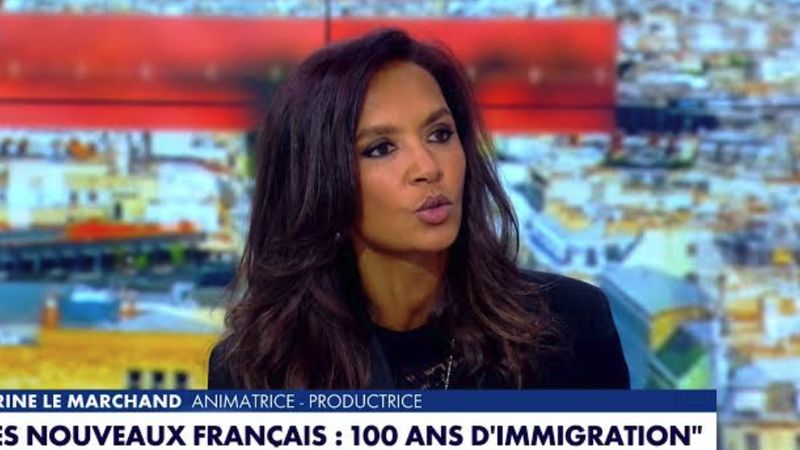
  • “I saw the train pull in. I saw all those Black people and all those Muslims getting off, those Arabs. I could not help feeling a little afraid.”

    CNEWS, L'Heure des pros · 9 February 2026, 10:29

    Remarks by Karine Le Marchand. They explicitly tie people identified by presumed origin, religion or skin colour to a feeling of fear, and carry stigmatising stereotypes that are racist and Islamophobic in character.

    Still from the segment broadcast on CNEWS
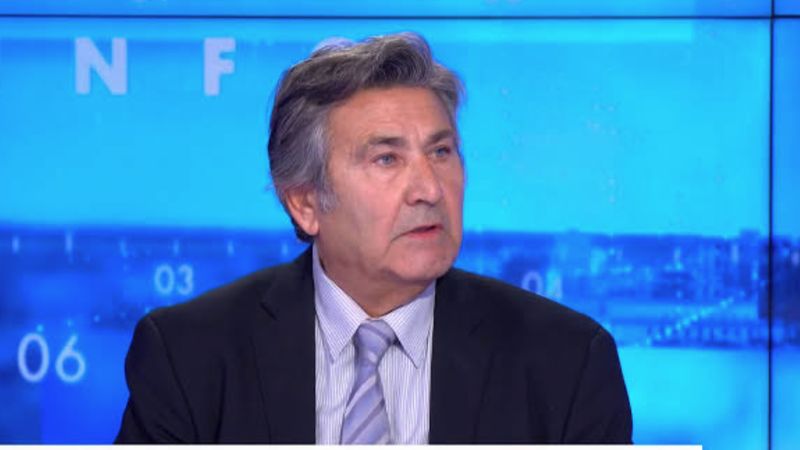
  • “There will be more Muslims than Christians from 2050 onwards; the fight is only beginning.”

    CNEWS, 100% Politique · 22 September 2025, 21:50

    Remarks by Paul Amar. Gravely stigmatising, they feed a discourse of fear and may be understood as incitement to religious hatred.

    Still from the segment broadcast on CNEWS
  • “142,000 people, that is 3% of the Muslim community, want to blow our heads off.”

    RMC, Les Grandes Gueules · 19 November 2025, 11:07

    Remarks by Laura Warton Martinez. The figure comes from a survey of just 1,005 people and carries no official standing. Extrapolating it to the entire Muslim population is scientifically unsound and alarmist.

    Still from the segment broadcast on RMC
  • “It means there is a problem with what they are told when they go to the mosque.”

    France Info, Tout est politique · 18 November 2025, 18:39

    Remarks by Sonia Chironi. The statement implies that attending a mosque is in itself problematic or suspect, and helps spread fear and prejudice.

    Still from the segment broadcast on France Info
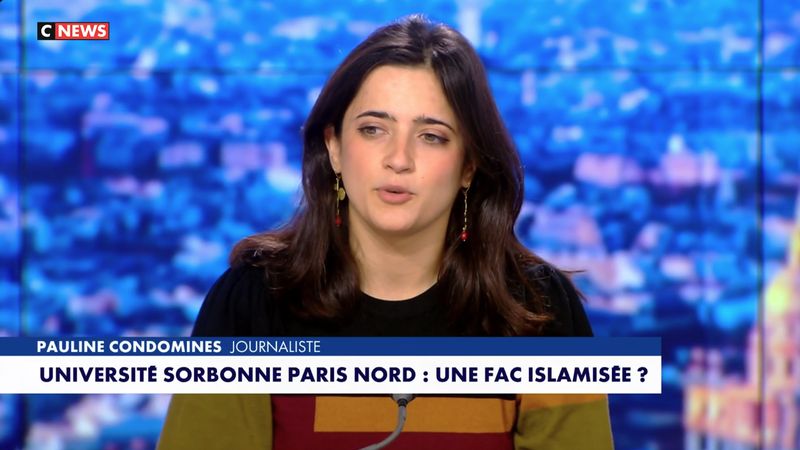
  • “One student in three wears the veil; you would think you were between Nablus and Ramallah.”

    CNEWS, 180 Minutes Info · 28 October 2025, 14:05

    Remarks by Pauline Condomines about Sorbonne Paris Nord University. No official data supports this figure. The comparison ties French students to a foreign context in a stigmatising way.

    Still from the segment broadcast on CNEWS

Some of our upcoming projects

Four projects under way: a European coalition, a network of lawyers, and two tools for monitoring and mobilising.

A meeting of the Equitas coalition partner organisations

The Equitas network

The EQUITAS coalition is a European network of partner organisations dedicated to countering anti-Muslim racism. It works to promote a better understanding of Islamophobia and to strengthen social cohesion between the peoples and communities of Europe.

The coalition works on two complementary levels. It supports national civil society organisations in their work against Islamophobia and in their support for victims. It also carries out advocacy at European level, engaging with the EU institutions, policymakers and the wider public in order to raise awareness and promote effective policy responses to anti-Muslim racism in Europe.

Equitas equitas.network
A working meeting of lawyers from the network

Strengthening the European network of lawyers

For several years CCIE has relied on a network of committed lawyers who support and defend thousands of victims of Islamophobia. It now intends to strengthen and extend that network across Europe, so that cases are handled faster, more effectively and more accessibly.

The aim is straightforward: every victim should know their rights, be supported, and never be left alone in the face of discrimination or an attack on their freedoms.

A screen analysing reported online content

A European tool for recording Islamophobia online

CCIE is developing a tool to detect, collect and document Islamophobic speech and acts circulating online. The aim is to measure the scale of the phenomenon more accurately, analyse how it evolves, and produce data that is reliable, verifiable and evidence-based.

That data will support regular reporting, alert decision-makers and encourage national, European and international institutions to take Islamophobia more seriously. The project addresses a central problem: making visible a reality that is still widely underestimated, in order to strengthen prevention, victim protection and anti-discrimination policy.

Citizen mobilisation on social media

A social media mobilisation tool

CCIE is currently developing a tool to mobilise broadly against the spread of Islamophobic content on social media. It will make it easier to spot and report hateful posts, and also to collectively amplify content that defends the rule of law, equality and fraternity.

By bringing together an active community across Europe, the project aims to push back online hatred and give greater visibility to the voices, initiatives and actions that bring citizens closer together.

CCIE in European civic space

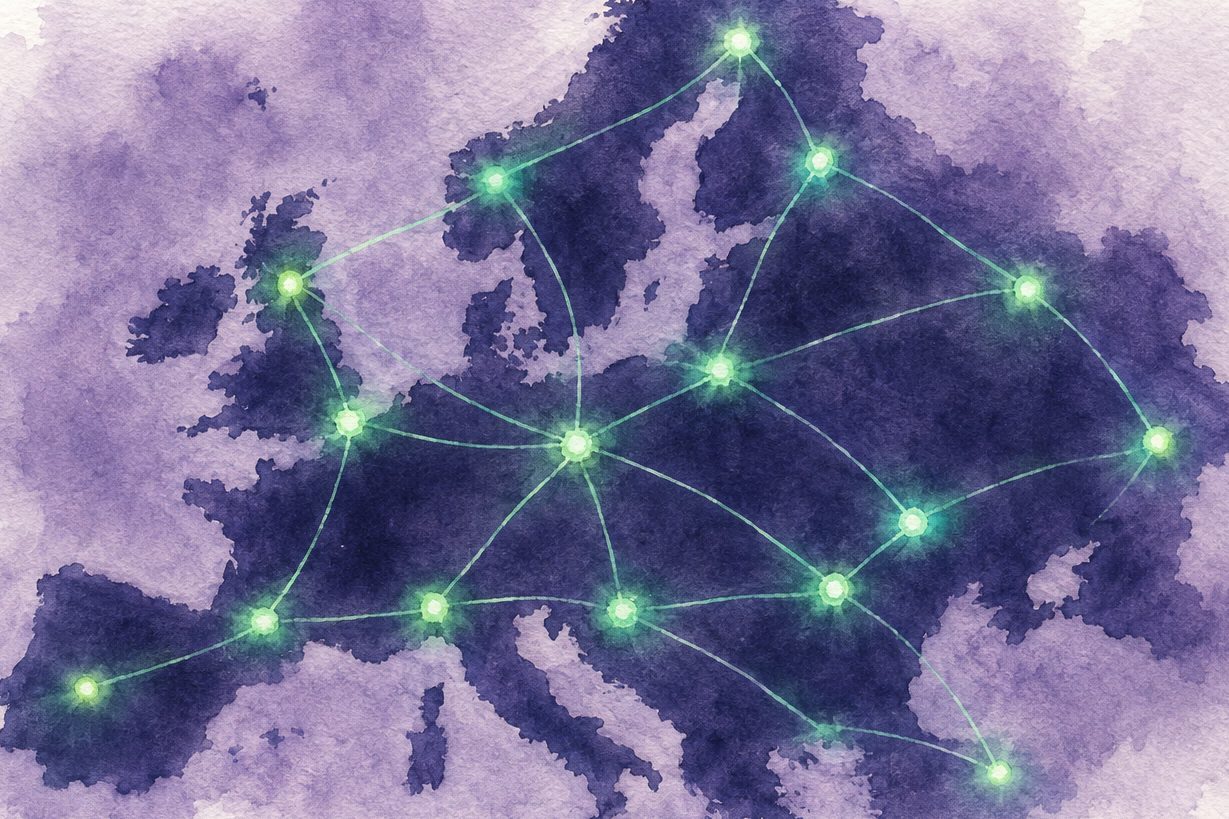
Map of Europe, the network of partner organisations

The first anti-Islamophobia NGO to join the European Civic Forum

The pan-European network brings together close to 100 associations and NGOs across 30 countries. CCIE’s application was accepted by its Board in May 2026.

  • European ParliamentTwo interventions in 2026, with ENAR and the European Civic Forum.
  • OSCE and ODIHRContribution to the work on democratic resilience, in Vienna.
  • ENARPanel on the shrinking civic space of anti-racist organisations.
  • Center for the Study of Organized HateTransnational analysis of “remigration” policies.
  • United NationsExchange with the Special Rapporteur on freedom of assembly and association.

This work rests on monthly donations

A regular donation funds legal support for victims and our continued presence in the European institutions.